
Understanding the Different Types of Barcodes
Barcodes have become an essential part of modern business operations. They are used to identify products, track inventory, manage assets, support traceability, process shipments, and capture information quickly and accurately.
However, not all barcodes are the same.
The specific type of barcode used to represent information is known as a barcode symbology. Each symbology follows a defined set of rules that determines how data is encoded and how a barcode scanner interprets that information.
In simple terms, a barcode symbology is the format or language used to create a barcode.
There are many barcode symbologies available, each designed for different types of information and applications. Some are designed primarily for numbers, while others can encode letters, numbers, and special characters. Certain symbologies are commonly used in retail, while others are designed for manufacturing, logistics, healthcare, asset tracking, and other specialized applications.
The Anatomy of a Barcode
Although barcode designs can look very different, every barcode is designed to communicate information in a format that can be read electronically.
A traditional linear barcode consists of a combination of bars and spaces arranged according to the rules of its specific symbology. Other barcode types use squares, dots, or other patterns to represent information.
Important characteristics can include:
- Barcode dimensions
- Bar and space widths
- Character set
- Data capacity
- Check digits
- Start and stop characters
- Quiet zones
- Error correction capabilities
The X-dimension, sometimes referred to as the barcode’s mil size, represents the width of the smallest element in certain barcode types. The blank areas surrounding a barcode, known as quiet zones, can also be important for reliable scanning.
The Two Main Types of Barcode Symbologies
Barcode symbologies are generally divided into two primary categories:
1D Barcodes
One-dimensional, or 1D, barcodes represent information horizontally using a series of parallel bars and spaces.
These are the traditional barcodes most people recognize on retail products, shipping labels, and inventory items.
As additional information is added to many 1D barcodes, the barcode generally becomes wider. This can make them less suitable for applications where a significant amount of information must fit into a small space.
Common 1D barcode symbologies include:
- UPC
- EAN
- Code 39
- Code 128
- Interleaved 2 of 5
- Codabar
- MSI
- GS1-128
2D Barcodes
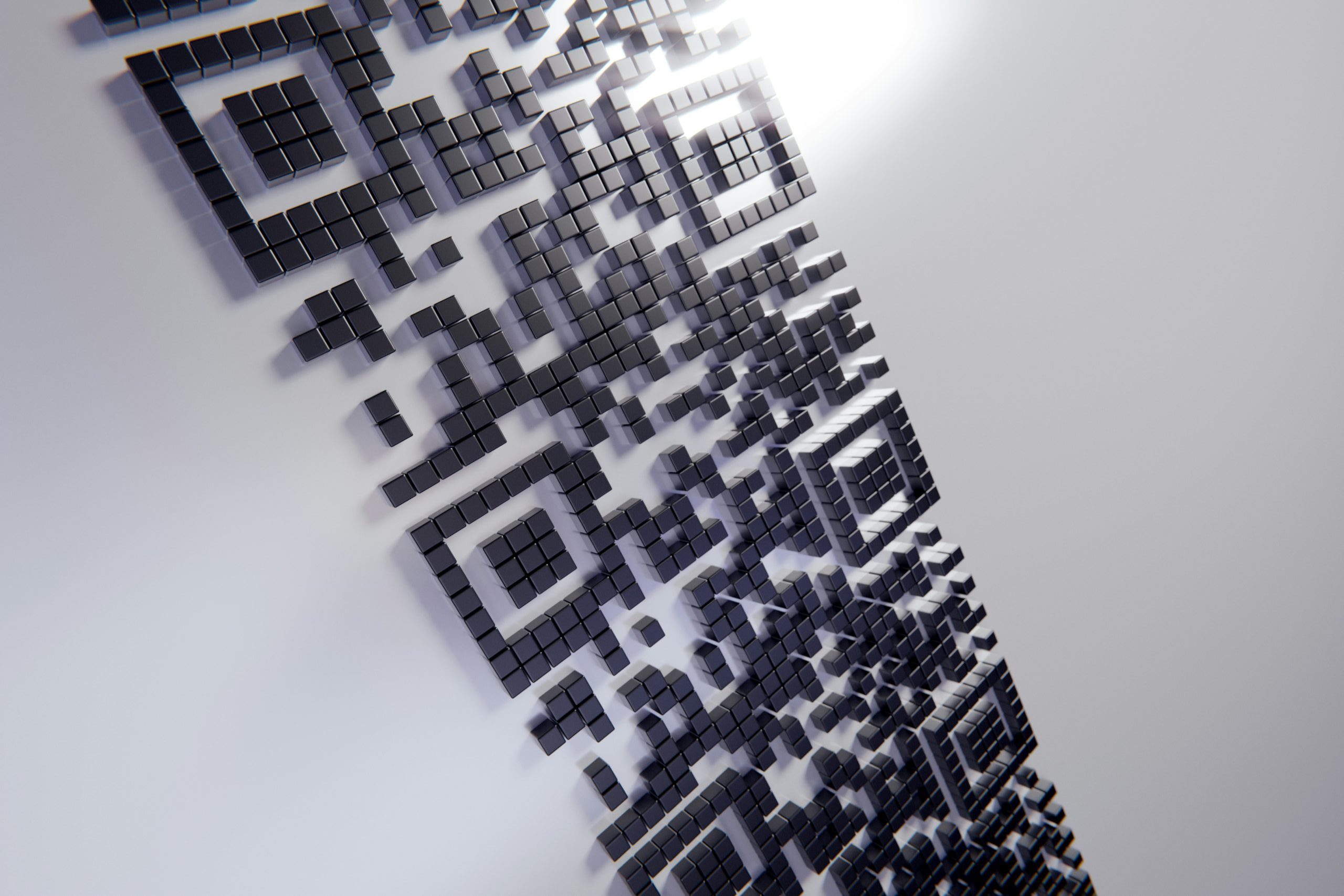
Two-dimensional, or 2D, barcodes encode information both horizontally and vertically.
Because they use two dimensions to store information, 2D barcodes can typically store significantly more data in a relatively small area compared with traditional linear barcodes.
Instead of appearing as a series of vertical bars, 2D barcodes often use patterns of squares, dots, or other geometric elements.
Common 2D barcode symbologies include:
- QR Code
- Data Matrix
- PDF417
- Aztec Code
- MaxiCode
2D barcodes are increasingly used in manufacturing, traceability, identification, transportation, healthcare, mobile applications, and other applications requiring greater data capacity or compact identification.
Common 1D Barcode Symbologies
UPC
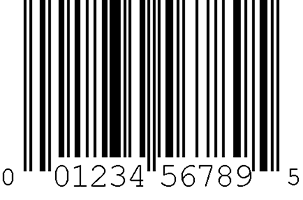
The Universal Product Code, or UPC, is one of the most recognizable barcode types in North American retail.
UPC barcodes are commonly used to identify consumer products and support point-of-sale scanning.
Common applications include:
- Retail products
- Consumer packaged goods
- Grocery items
- Point-of-sale applications
EAN
European Article Number, or EAN, barcodes are widely used for retail products internationally.
Like UPC barcodes, EAN barcodes are commonly associated with product identification and retail scanning.
Common applications include:
- International retail
- Consumer products
- Product identification
- Point-of-sale systems
Code 39
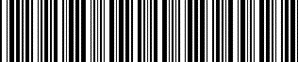
Code 39 is a widely used barcode symbology that can encode letters and numbers.
Because of its flexibility, Code 39 has historically been used in industrial, manufacturing, inventory, and identification applications.
Common applications include:
- Asset identification
- Manufacturing
- Inventory tracking
- Government and defence applications
Code 128
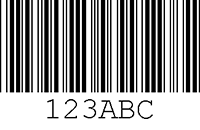
Code 128 is a high-density linear barcode capable of encoding a broad range of characters.
It is commonly used in logistics, shipping, inventory management, and other applications where alphanumeric information needs to be encoded efficiently.
Common applications include:
- Shipping labels
- Logistics
- Inventory management
- Serial number identification
- Supply chain applications
Interleaved 2 of 5
Interleaved 2 of 5, sometimes abbreviated as ITF, is a numeric barcode commonly used in industrial and logistics applications.
It is frequently associated with packaging, warehousing, and distribution.
Common applications include:
- Warehousing
- Carton identification
- Logistics
- Industrial applications
GS1-128
GS1-128 is used to encode structured supply chain information using the GS1 system of standards.
Depending on the application, it can communicate information such as product identification, batch or lot numbers, dates, quantities, and other logistics information.
Common applications include:
- Shipping
- Distribution
- Logistics
- Supply chain traceability
- Case and pallet labeling
Common 2D Barcode Symbologies
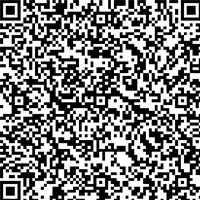
QR Codes
QR, or Quick Response, codes are among the most recognizable 2D barcodes.
They can store a significant amount of information and are commonly scanned using smartphones and modern 2D barcode scanners.
QR codes can be used for:
- Website links
- Product information
- Marketing
- Digital documents
- Customer engagement
- Mobile applications
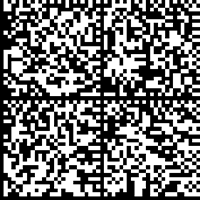
Data Matrix
Data Matrix codes are compact 2D barcodes capable of encoding substantial amounts of information in a relatively small space.
They are particularly useful when available marking space is limited.
Common applications include:
- Electronics
- Component identification
- Pharmaceuticals
- Medical devices
- Manufacturing
- Serial number tracking
- Traceability
Data Matrix codes are often used for direct part marking and applications where individual components require unique identification.
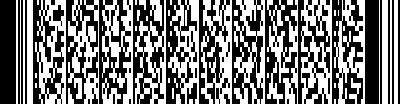
PDF417
PDF417 is a stacked barcode format capable of storing larger amounts of information than many traditional linear barcodes.
It is commonly used for identification documents and transportation applications.
Common applications include:
- Identification cards
- Transportation documents
- Driver’s licences
- Inventory applications
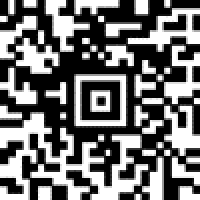
Aztec Code
Aztec codes are 2D barcodes frequently associated with transportation and ticketing applications.
They can be particularly useful for applications requiring reliable scanning from printed tickets or digital displays.
Common applications include:
- Event tickets
- Boarding passes
- Transportation
- Digital ticketing
MaxiCode
MaxiCode is a specialized 2D barcode designed for high-speed scanning applications.
It is particularly associated with package handling and transportation environments.
Common applications include:
- Package tracking
- Shipping
- Distribution
- Logistics
Why Does Barcode Symbology Matter?
Selecting the correct barcode symbology is an important part of designing an effective identification system.
The wrong barcode may create unnecessary challenges related to scanning, available label space, data capacity, or compatibility with existing systems.
When selecting a barcode symbology, businesses should consider:
| • Type of information being encoded | • Amount of available label space |
| • Required data capacity | • Industry standards |
| • Scanner compatibility | • Printing technology |
| • Scanning distance | • Environmental conditions |
| • Traceability requirements | • Existing software systems |
The barcode itself is only one part of the overall solution.
Data → Barcode Symbology → Label or Tag → Printer → Scanner → Software System
All components need to work together effectively.
Barcode Symbology and Scanner Compatibility
It is important to remember that not every barcode scanner reads every barcode symbology.
Traditional laser scanners are commonly designed to read linear 1D barcodes, while modern imaging scanners can often read both 1D and 2D barcode formats.
The type of barcode used in an application can therefore influence the scanner technology required.
Before implementing a barcode system, organizations should consider:
- Which barcode symbologies are required?
- Will the barcode be 1D or 2D?
- What material will it be printed or marked on?
- How large will the barcode be?
- What scanning distance is required?
- Will the barcode be damaged, dirty, or exposed to harsh conditions?
Zebra scanners, for example, support a wide variety of linear and two-dimensional barcode formats, although compatibility varies by specific scanner model and configuration.
Choosing the Right Barcode for Your Application
There is no single barcode symbology that is best for every application.
A retail product may require a UPC or EAN barcode, while a shipping case may use GS1-128. A small electronic component may require a compact Data Matrix code, while a consumer-facing application may use a QR code.
The appropriate choice depends on the application.
Retail
Common options: UPC, EAN, GS1 DataBar
Manufacturing
Common options: Code 128, Code 39, Data Matrix
Warehousing & Distribution
Common options: Code 128, GS1-128, Interleaved 2 of 5
Asset Tracking
Common options: Code 128, Code 39, QR Code, Data Matrix
Electronics & Small Components
Common options: Data Matrix
Transportation & Ticketing
Common options: PDF417, Aztec Code, QR Code
Mobile Applications
Common options: QR Code and other 2D barcode formats
The best choice should be based on the specific information, environment, technology, and business requirements involved.
Need Help Choosing a Barcode Symbology?
Choosing the correct barcode is about more than selecting a format from a list.
IBC can help organizations evaluate their complete identification and data-capture requirements, including barcode symbology, label materials, printers, scanners, RFID technology, software, and system integration.
Whether you need to identify a single product, implement warehouse scanning, track assets, create manufacturing traceability, or develop an enterprise-wide identification solution, the right barcode technology can help improve accuracy and operational visibility.
Frequently Asked Questions
What is a barcode symbology?
A barcode symbology is the specific set of rules used to encode information into a barcode. Different symbologies determine how data is represented and how a scanner reads the information.
What is the difference between 1D and 2D barcodes?
1D barcodes typically encode information horizontally using bars and spaces. 2D barcodes encode information horizontally and vertically, allowing them to store more information in a smaller area.
What is the most common barcode symbology?
UPC and EAN are among the most commonly recognized barcode formats for retail products. However, Code 128, Data Matrix, QR codes, and other symbologies are widely used for different applications.
Can one barcode scanner read multiple barcode types?
Many modern barcode scanners can read multiple symbologies. However, capabilities vary by scanner model, so it is important to confirm compatibility with the specific barcodes being used.
How do I choose the right barcode symbology?
The correct symbology depends on factors including the type and amount of data, available marking space, industry requirements, scanner technology, and the specific application.
Need Help with Your Barcode Application?
IBC can help you select the appropriate barcode symbology and build a complete solution around your application, including labels, tags, printers, scanners, mobile computers, RFID, software, and system integration.
Contact IBC to discuss your barcode, labeling, tracking, or traceability requirements.