
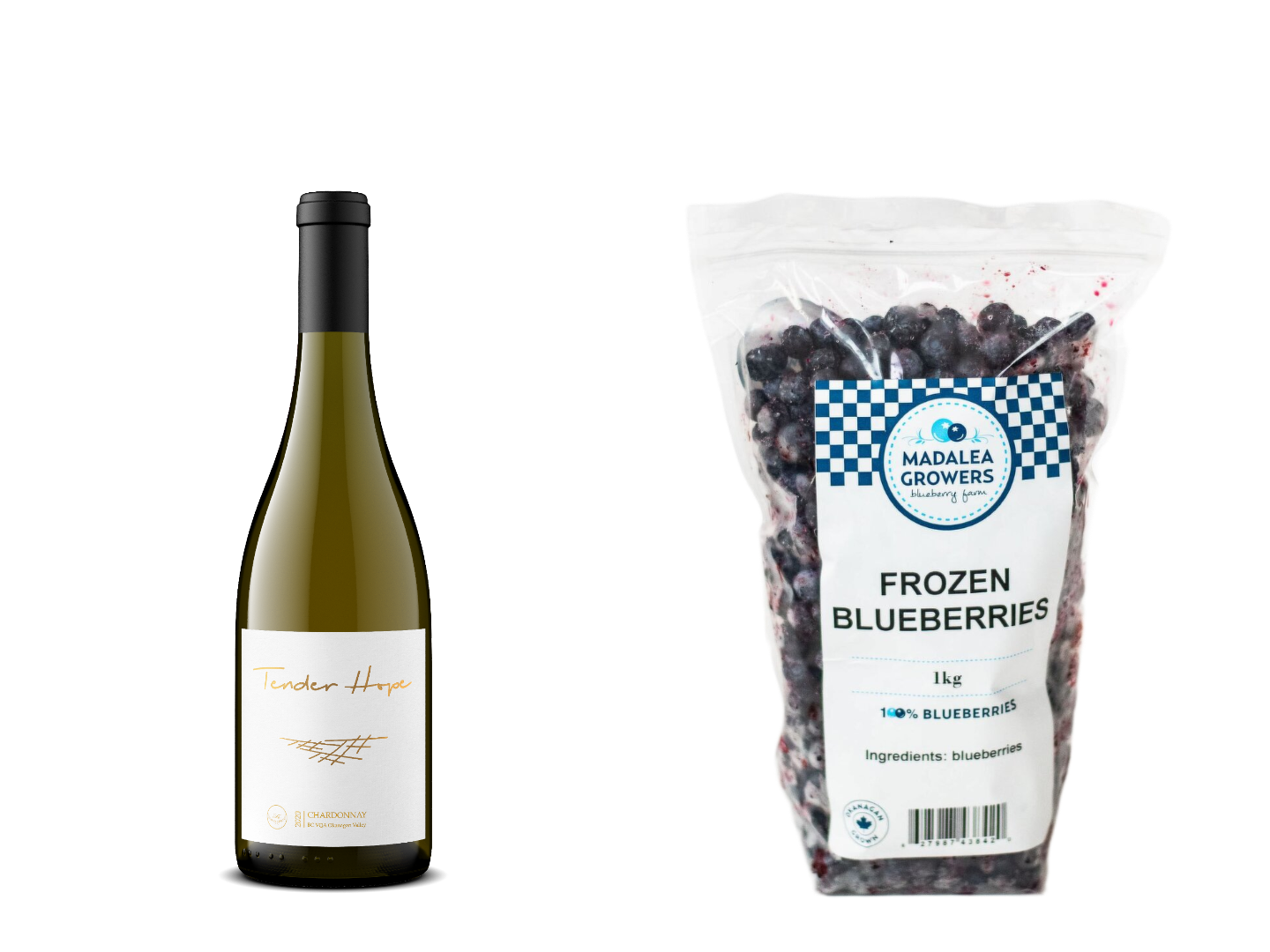
When designing labels for consumer packaged goods (CPG), selecting the right top coating is just as important as choosing the label material itself. Two of the most common finishing options are UV flood coating and lamination. While both improve the appearance and durability of printed labels, each offers different levels of protection depending on the product, distribution environment, and expected shelf life.
UV Flood Coating
UV flood coating is a clear liquid coating applied over the printed label and cured instantly using ultraviolet light. This finish enhances colour vibrancy and provides a smooth gloss or matte appearance while offering basic protection against scuffing and handling.
UV coating is an excellent choice for products that have relatively short retail cycles or are handled minimally before purchase. It is also a cost-effective option for high-volume production where premium durability is not required.
Advantages:
- Lower overall cost
- Excellent print clarity and vibrant colours
- Available in gloss or matte finishes
- Fast production and curing
- Ideal for many standard retail products
Limitations:
- Less resistant to scratching and abrasion
- Moderate resistance to moisture and chemicals
- May show wear on products that experience heavy handling or transportation
Lamination
Lamination applies a thin protective film over the printed label, creating a physical barrier that significantly improves durability. Although lamination is typically only marginally more expensive than UV flood coating, it provides superior long-term protection for products exposed to demanding retail and distribution environments.
Laminated labels resist scratching, rubbing, moisture, oils, chemicals, refrigeration, condensation, and temperature fluctuations. This makes them an excellent choice for products that spend extended periods in warehouses, distribution centres, retail shelves, or refrigerated environments.
Advantages:
- Superior abrasion and scratch resistance
- Excellent moisture and chemical protection
- Improved resistance to fading and wear
- Longer retail shelf life
- Ideal for refrigerated, frozen, and high-handling products
- Available in gloss or matte finishes
Considerations:
- Slightly higher material cost
- Longer production process compared to UV coating
Which Finish Should You Choose?
The right finish depends on your product’s journey from production to the consumer.
For products with shorter distribution cycles or minimal handling, UV flood coating often provides an attractive, economical solution. However, for products expected to withstand repeated shipping, shelf stocking, consumer handling, refrigeration, or moisture exposure, lamination offers significantly greater long-term value. The modest increase in cost is often offset by fewer damaged labels, improved brand presentation, and enhanced barcode readability throughout the product’s lifecycle.
At IBC, we work with manufacturers across the food, beverage, healthcare, consumer packaged goods, and industrial sectors to recommend the most appropriate label materials and finishes for each application. Whether you’re launching a new product or optimizing an existing package design, our team can help you select a label solution that balances appearance, durability, and cost.
Need Help Selecting the Right Label Finish?
Contact IBC today to discuss whether UV flood coating or lamination is the best choice for your packaging application.