
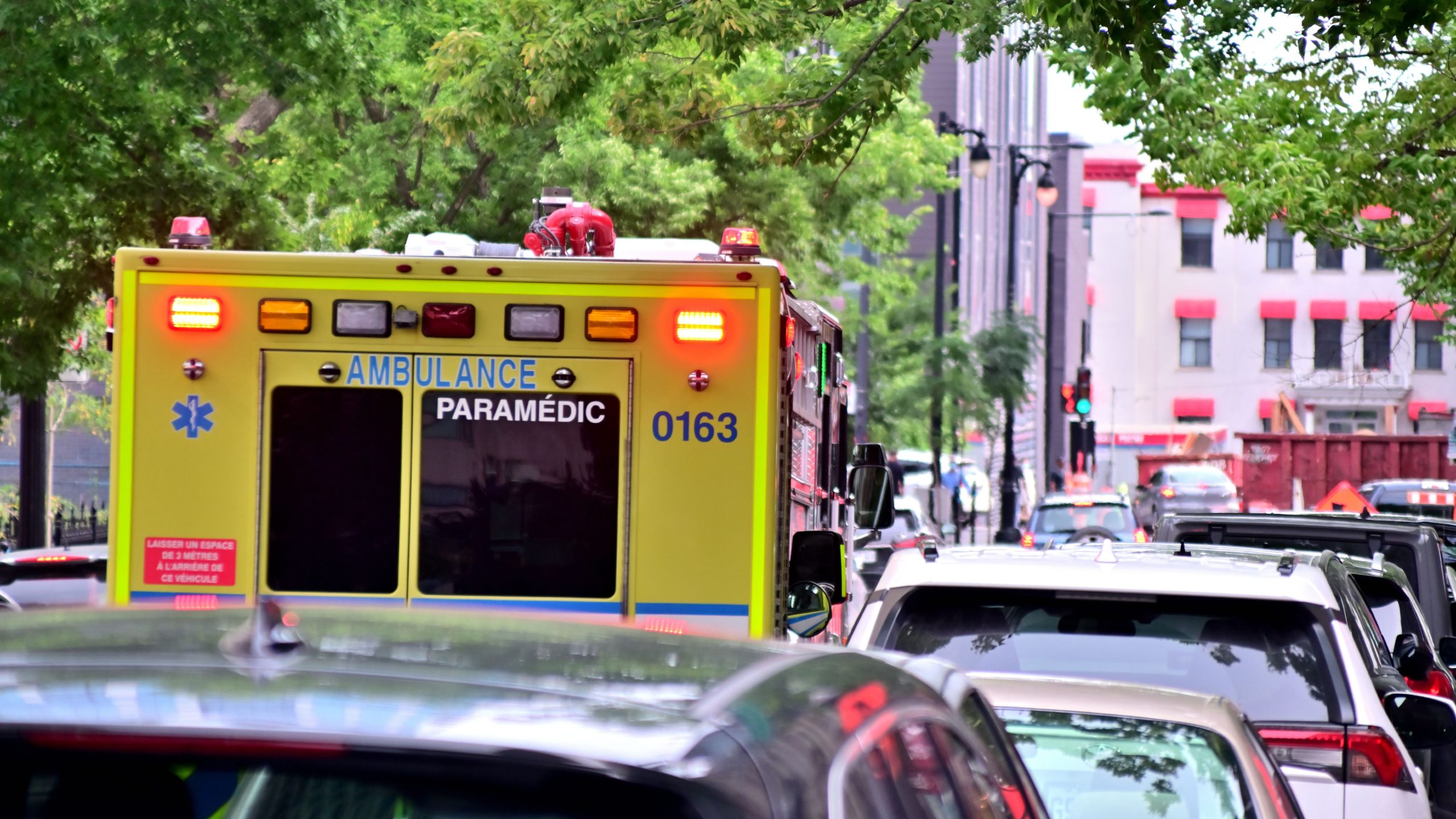
When Every Second Counts: Why Patient Identification Wristbands Matter During Medical Emergencies
When a wildfire threatens a community, healthcare organizations may suddenly have to move patients, staff, equipment, and resources under extremely challenging conditions. The Summerland Bald Range wildfire situation in British Columbia is a timely reminder of how quickly evacuation conditions can change and how important coordinated emergency planning can be. In August 2026, the District of Summerland issued evacuation orders because of ongoing wildfire activity and associated risks to life and safety. For healthcare facilities, an emergency evacuation creates a particularly difficult challenge: knowing where every patient is and ensuring they remain accounted for as they move between locations. A patient may be transferred from a hospital room to an emergency staging area, transported to another facility, moved to a temporary care location, or transferred between departments.
When patient movements are recorded manually, or not recorded at all, there is an increased risk that staff may not have an accurate, real-time picture of where patients are located.

What Happens When Patients Aren’t Digitally Tracked?
During normal operations, healthcare staff can generally keep track of patient movements through established workflows. An emergency can change everything. Multiple patients may need to be moved simultaneously. Staff may be reassigned. Patients may be transported by different teams. Temporary locations may be established. Paper lists and manual check-ins can quickly become difficult to maintain.
If a patient is transferred but that movement isn’t properly documented, staff may have to spend valuable time determining:
- Where is the patient?
- Has the patient been transferred?
- Which facility are they currently in?
- Which department or room are they in?
- Who is responsible for their care?
- Has the patient’s medical information followed them?
In a high-pressure emergency, answering these questions manually can consume valuable staff resources.
Emergency Preparedness Is About More Than Evacuation Plans
Emergency preparedness isn’t simply about knowing where patients should go. It’s also about knowing where they actually are.
As healthcare organizations prepare for wildfires, floods, extreme weather, power outages, and other emergency scenarios, digital patient tracking can provide an additional layer of visibility when normal workflows are disrupted.
A connected patient tracking system can help healthcare organizations move toward a model where patient location information is captured automatically rather than relying entirely on manual updates.

A Wristband Can Become More Than an Identifier
A patient wristband may look like a simple piece of identification technology, but with barcode and RFID capabilities, it can become part of a much larger digital healthcare ecosystem. For everyday patient care, barcode identification can help healthcare professionals verify patient identity. For automated location tracking, RFID can provide another layer of visibility without requiring staff to manually scan every patient.
And during an emergency, having both capabilities available could provide healthcare organizations with valuable information when knowing where every patient is matters most.
IBC provides healthcare barcode and RFID wristbands, printers, scanners, mobile computers, and identification solutions designed to help healthcare organizations build more connected patient-care workflows.
RFID Adds Another Layer of Patient Visibility
Barcode wristbands remain an important tool for positive patient identification. Healthcare professionals can scan the patient’s wristband to verify identity before medication administration, treatment, specimen collection, and other critical activities. But barcode systems generally require someone to physically perform the scan.
RFID can add another layer of automation.
An RFID-enabled patient wristband can be detected automatically when a patient passes through an RFID-enabled doorway, checkpoint, or designated area. This means patient movement can potentially be recorded without requiring a nurse, care aide, or other healthcare worker to stop and scan the wristband manually. For example, an RFID-enabled system could detect that a patient has moved:
Patient Room → Emergency Staging Area → Transportation Area → Receiving Facility
The objective isn’t to replace healthcare professionals. It’s to give them better information.

Reducing the Burden on Nurses and Care Aides
During an emergency, healthcare workers should be focused on patient care—not maintaining manual tracking lists. Every manual task adds another opportunity for information to be delayed or missed. RFID can automate the identification event when a tagged patient enters or exits a monitored area. This can create a digital record of movement while allowing clinical staff to concentrate on safely moving and caring for patients. The same technology can also be useful during normal operations.
RFID patient tracking can potentially help organizations understand patient movement between departments, monitor workflow, locate patients within designated areas, and improve operational efficiency.
Combining RFID With Barcode Identification
The strongest patient identification strategy doesn’t necessarily rely on a single technology.
Barcode + RFID can provide complementary layers of identification and visibility.
A barcode wristband can provide positive patient identification when a healthcare professional intentionally scans the patient. RFID can provide automated detection of movement through designated locations. Together, they can help create a more connected patient identification system.

IBC’s healthcare product portfolio includes Zebra healthcare wristbands, including barcode and RFID wristband options designed for healthcare environments. Zebra notes that wristbands that fail to scan can affect patient safety and timely care, which makes durability and reliable scanning performance an important consideration.
Could your facility account for every patient during an emergency without relying entirely on manual tracking?