Winery Automation Is No Longer Optional: From Case Labeling to Production Tracking
The wine industry has always balanced tradition with innovation. While craftsmanship remains at the heart of every bottle, modern wineries face increasing pressure to improve productivity, manage labour costs, maintain accurate inventory, and meet growing customer and regulatory requirements. Recent research has identified significant workforce gaps in BC winery operations, highlighting a growing need for operational efficiency and innovation. From the crush pad to the warehouse, manual processes can create bottlenecks, introduce errors, and make it difficult to maintain real-time visibility over production. That’s why winery automation is becoming less of a competitive advantage and more of an operational necessity.
Start Automation at Grape Receiving / Bin Receiving
The opportunity for better data collection begins long before wine reaches the bottling line.
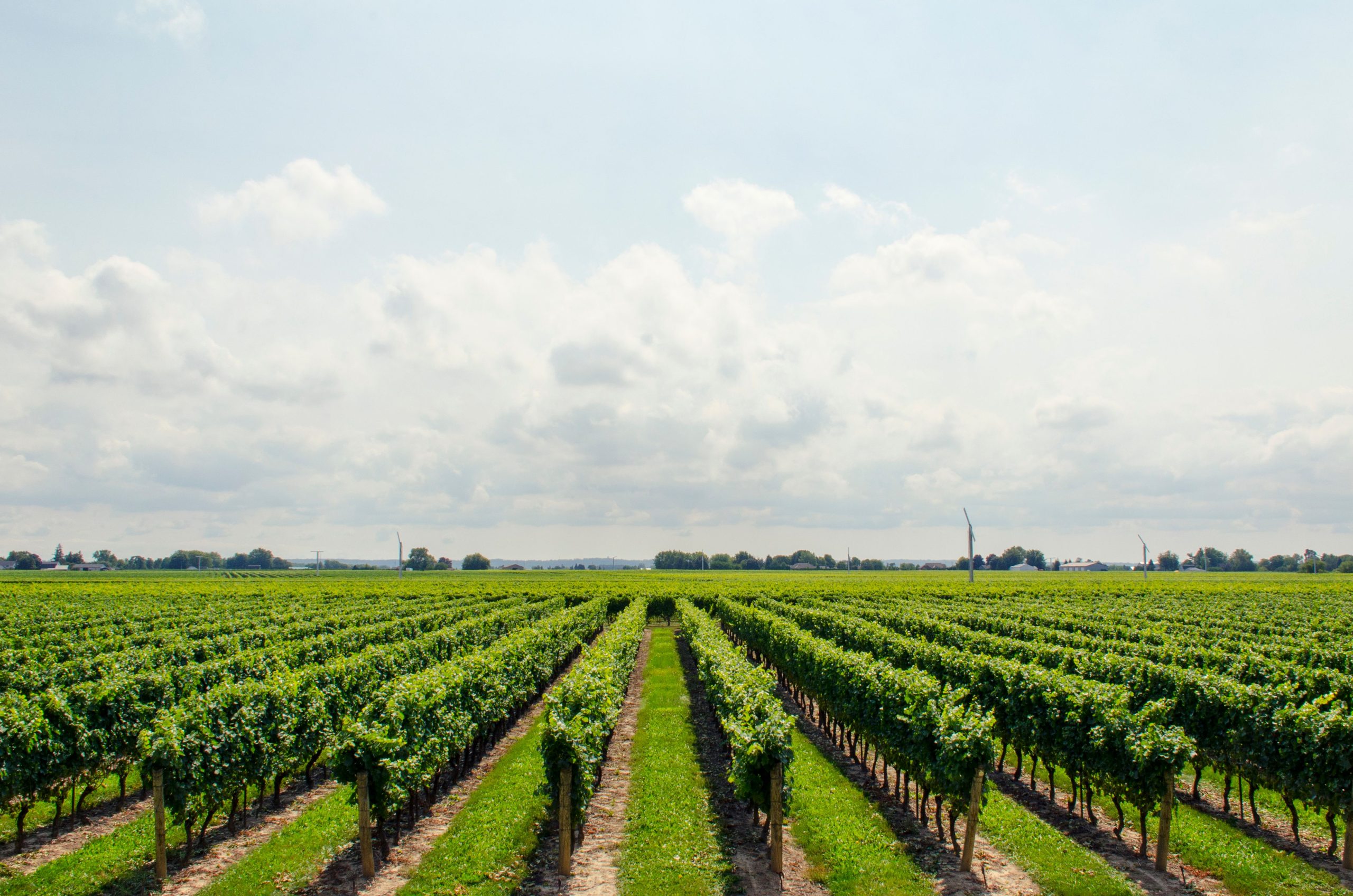
During harvest, bulk grape receiving and weighing systems can help wineries capture critical information as grapes arrive at the facility. Recording weights, suppliers, vineyard information, varietals, and other production data electronically can reduce manual entry and create a more accurate record from the very beginning of the winemaking process.
When that information follows the product throughout production, wineries gain a more complete picture of their operations.
Automating Case Labeling at Production Speed
Case labeling is a critical step between production and distribution. Manually applying case labels can be time-consuming, particularly for wineries managing multiple products, vintages, varietals, and customer-specific requirements.
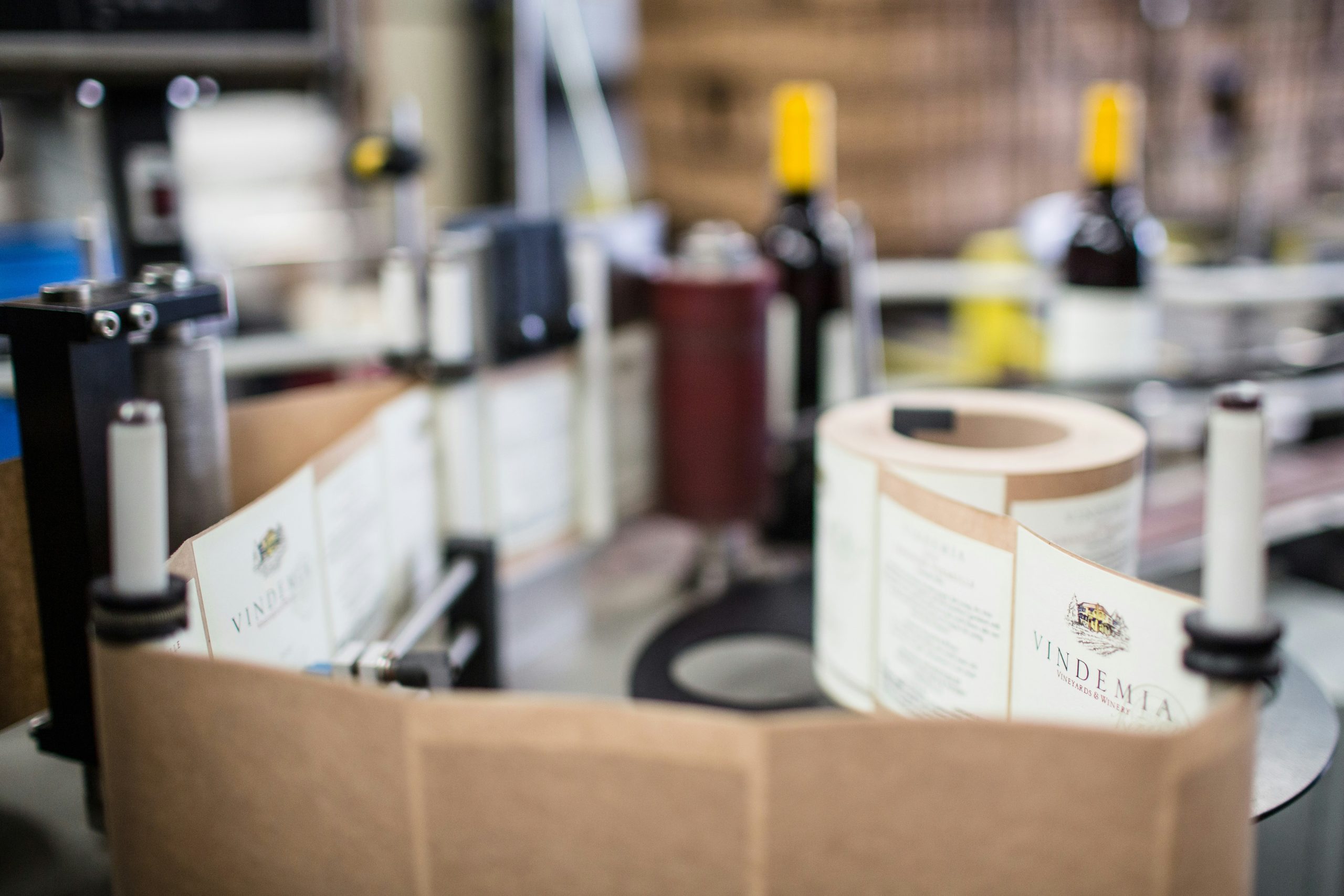
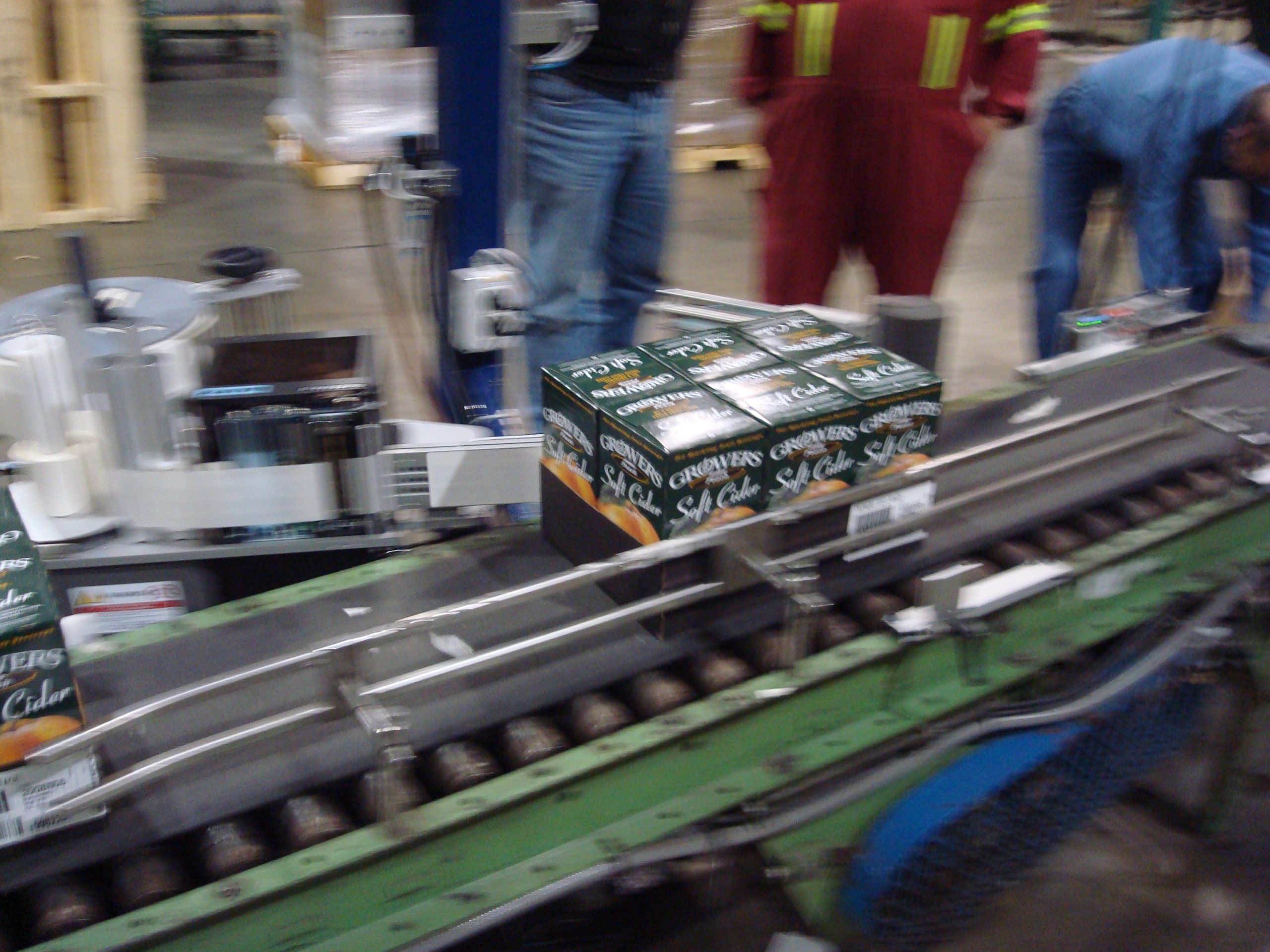
Automatic case label printer applicators can print and apply labels directly onto cases as they move through the production line. Variable information—including product details, barcodes, lot numbers, and shipping information—can be generated on demand.
This helps wineries improve labeling accuracy while reducing the manual labour required to keep production moving.
Robotic Pallet Labeling Without the Bottleneck
As finished cases move into storage and distribution, accurate pallet identification becomes equally important.
Wine pallet label printer applicators can automatically print and apply pallet labels containing the information needed for inventory management and shipment verification. By integrating labeling systems with production or warehouse data, wineries can improve consistency and reduce the risk of shipping the wrong product to the wrong customer.
Automation also helps create a more efficient transition between production, warehousing, and distribution.
Better Visibility Through Barrel Tagging
For wineries, some of the most valuable inventory isn’t sitting in a finished goods warehouse—it’s aging in barrels.
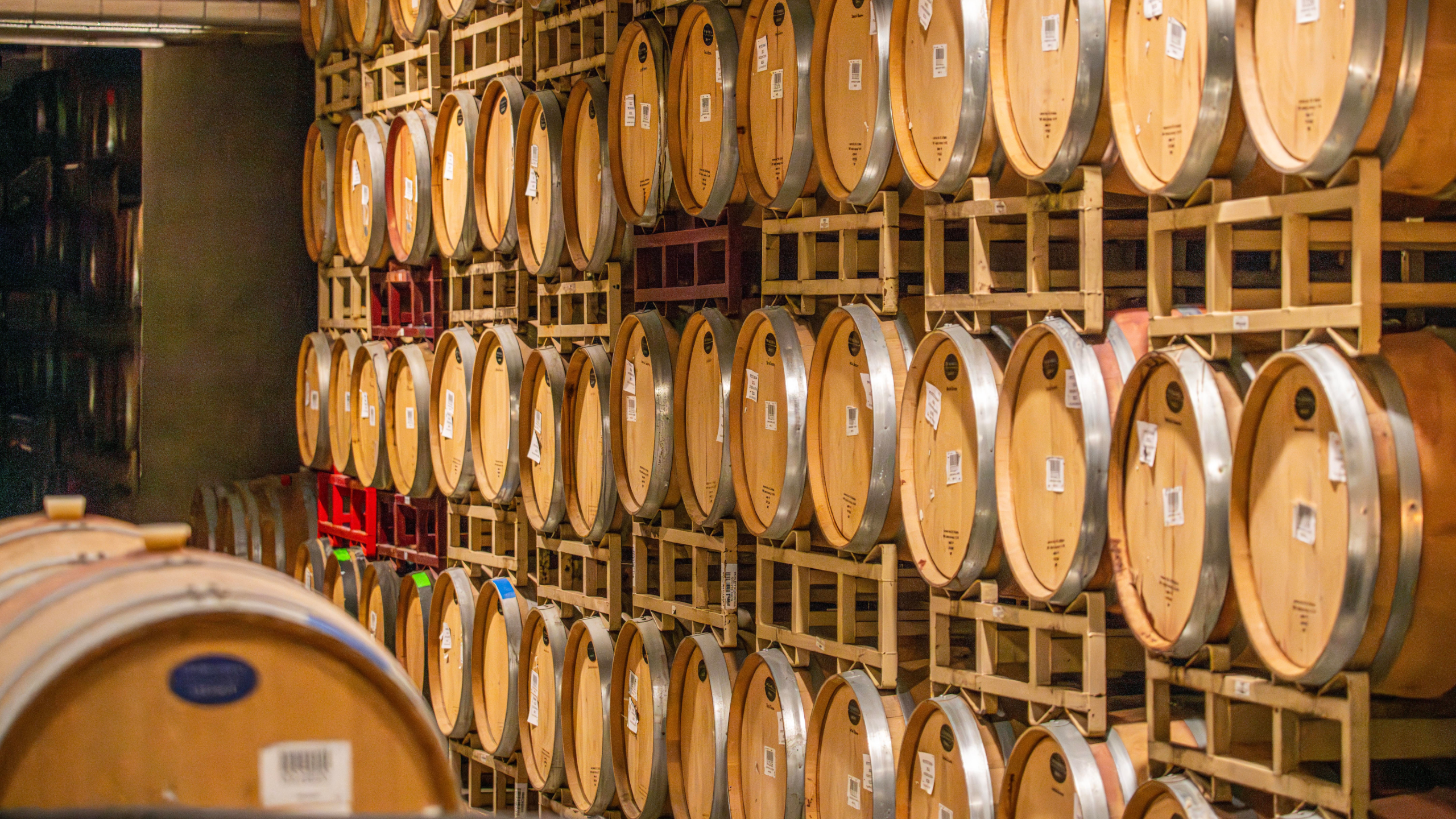
Tracking barrels manually can become increasingly difficult as production grows. Durable barrel tags combined with barcode or RFID technology can help wineries identify and track individual barrels throughout the production process.
With accurate barrel-level information, production teams can more easily record movements, monitor aging programs, manage inventory, and maintain detailed records associated with specific lots or vintages.
Production Tracking at Your Fingertips
The value of automation increases when labeling and identification systems are connected to accurate production data.
Winery production tracking software, combined with mobile computers, tablets, and industrial scanning technology, allows employees to capture information directly where the work takes place. Instead of relying on paper records or manually entering information later, teams can update production records, verify inventory, and track product movements in real time.
This creates greater visibility across the winery and gives management access to more accurate information for operational decision-making.
The Cost of Waiting
Many wineries recognize the benefits of automation but delay projects because they are concerned about the initial investment or disruption to existing operations.
However, continuing to rely on manual processes also has a cost.
Labour-intensive labeling, inaccurate inventory records, production delays, and manual data entry can gradually affect profitability and make it more difficult to scale efficiently. As labour becomes increasingly difficult to find and production requirements become more complex, those challenges are unlikely to disappear.
The right automation strategy doesn’t require replacing every existing process overnight. Wineries can begin with a specific challenge—such as automated case labeling or barrel tracking—and expand their technology as operational requirements evolve.
Building the Connected Winery
The future of winery operations is connected.
Automatic case and pallet label printer applicators, barrel identification technology, mobile computers, and production tracking software can work together to create greater visibility from bulk wine production through finished goods distribution.
By automating repetitive processes and capturing accurate information at every stage, wineries can reduce errors, improve productivity, and give employees more time to focus on the work that requires their expertise.
IBC helps wineries evaluate, implement, and integrate labeling, tracking, and automation technologies based on their unique operations. Whether the goal is automating a single production line or creating a fully connected winery, the right technology can provide measurable improvements today while creating a foundation for future growth.